

Smart Home Extensions in London: Transforming City Living with Innovative Design
- studiomass152

- 1 day ago
- 3 min read
Highlights:
• Home extensions are a practical alternative to moving in London
• Open-plan living is a leading design trend across the city
• Natural light solutions are essential for urban homes
• Planning rules make professional design and studies important
• Extensions can significantly increase London property value

Living in London often means making the most of limited space. With rising property prices and the challenge of relocating, more homeowners are turning to smart home extensions to upgrade their existing properties. Residential home extension designers are now at the centre of this growing trend, helping London residents create stylish, functional spaces without leaving their neighbourhoods.
From Victorian terraces to modern townhouses, London homes come with unique layouts and constraints. This makes professional design even more important. A well-planned extension not only improves space but also enhances comfort and adds long-term value to the property.
Why Home Extensions Are Booming in London
One major reason behind this trend is the high cost of moving within London. Stamp duty, agent fees, and property prices can quickly add up. Extending your home is often a more practical and financially sensible choice.
Another key factor is lifestyle change. With more people working from home, there is a growing need for dedicated office spaces, larger kitchens, and multi-purpose living areas. London homeowners are also embracing open-plan layouts that bring in more natural light, which is especially valuable in densely built areas.
Feasibility study for house extension
In London, a feasibility study is a crucial first step. Due to strict planning rules, conservation areas, and building regulations, not every idea can be executed easily. A feasibility study evaluates what is possible based on your property type, location, and budget. It helps avoid delays and ensures your extension meets all local requirements while making the best use of available space.
Wraparound extension
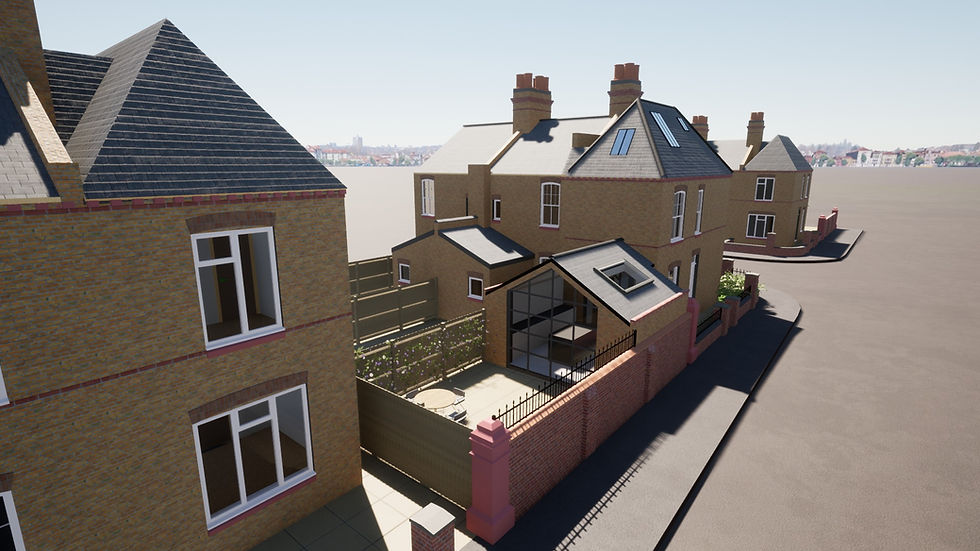
Wraparound extensions have become extremely popular across London, especially in terraced and semi-detached homes. By extending both the side return and the rear of the property, homeowners can create a large, open-plan kitchen and living area. This design dramatically changes how space is used, making homes feel brighter and more connected.
In many London properties, the side return is underused. A wraparound extension turns this wasted space into a practical and beautiful part of the home, often featuring skylights and glass doors that bring in natural light.
What Defines a Successful London Home Extension
Designing an extension in London requires careful attention to detail. Space must be used efficiently, and the design should complement the character of the existing building. Whether it is a period home or a modern structure, the extension should feel like a natural continuation.
Light is a major focus in London homes. Designers often use roof lights, large windows, and open layouts to make interiors feel more spacious. Storage solutions are also essential, especially in compact properties where every inch matters.
Another important factor is compliance. London has strict planning and building regulations, so working with experienced designers ensures that all legal requirements are met without compromising on creativity.
Final Thoughts
In a city like London, where space is limited and property prices are high, home extensions offer a smart way to upgrade your living environment. With the right approach, even a small extension can make a big difference in comfort and usability. Working with experts like Studio : MASS ensures your project is handled with care, creativity, and a strong understanding of London’s unique architectural landscape, helping you create a home that truly fits your lifestyle.
FAQ
Are home extensions common in London?
Yes, they are very common, especially in terraced homes where space can be expanded at the rear or side.
How much does a home extension cost in London?
Costs vary, but London extensions are generally higher due to labour and material costs, often starting from £40,000 and increasing based on design.
Can I extend a property in a conservation area?
Yes, but there are stricter rules. You will likely need detailed planning approval and a carefully designed proposal.


Comments